Start with the data needed for your routine
A home robot operates in a personal environment, so a privacy conversation should begin before cameras, microphones, maps, accounts, or cloud services are enabled. Choose the routine you want to evaluate and ask what information is necessary for that routine. This keeps the discussion tied to a real purpose instead of a vague promise to collect “only what is needed.”
Homebot One’s KOKO Home page discusses spatial memory and household context as part of the product vision. For the current build, ask which data types are actually used, which are optional, and which feature stops working if you decline them. Do not assume that a vision statement describes the exact data flow in a demo or future release.
Map the full data path
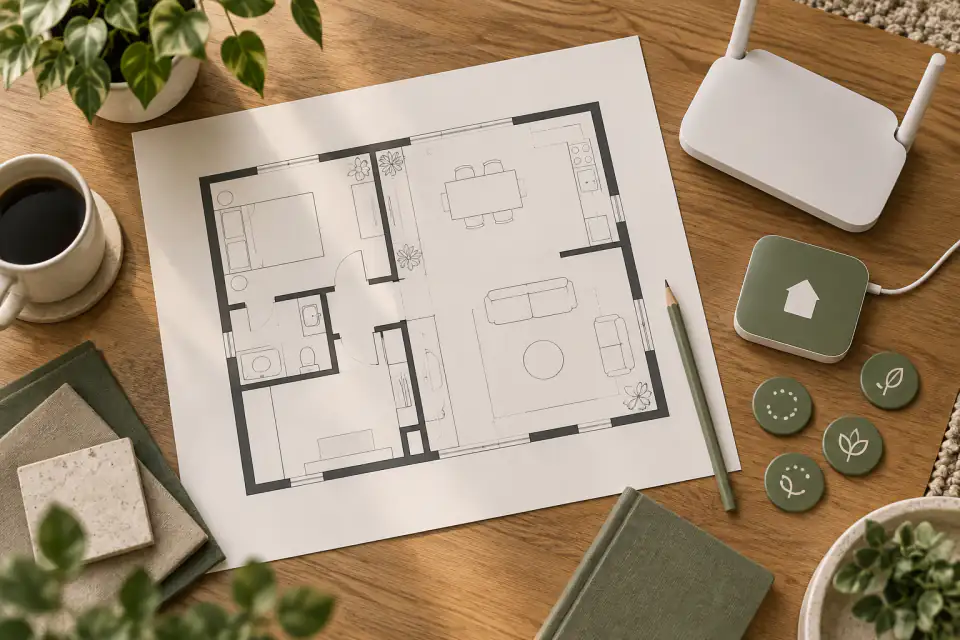
Ask where information is created, processed, transmitted, and stored. A complete answer may include the robot, a phone or browser, a local network, a cloud service, and support tools. Identify the organizations that can receive data and the circumstances in which a person may review it for support or system improvement.
NIST’s Privacy Framework is a voluntary tool for identifying and managing privacy risk. Its risk-based approach is useful here: the right question is not simply whether data exists, but how its processing could affect people in the home and what controls reduce that risk.
- Which audio, images, video, maps, commands, identifiers, and diagnostic logs are collected?
- Which processing happens on the robot, elsewhere in the home, or in a cloud service?
- Who can access each data type, and is human review ever involved?
- How long is each category retained, and what triggers deletion?
- Can household members export, correct, or delete their information?
Give everyone in the home understandable control
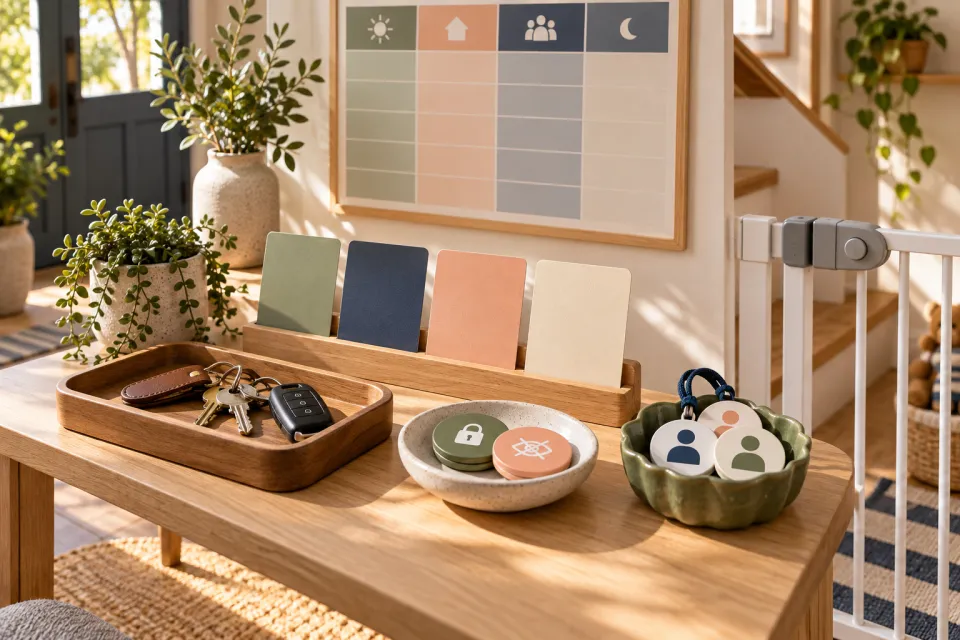
The account owner is not the only person affected. Family members, guests, caregivers, service providers, and children may enter the robot’s operating area. Ask how the system signals when sensing or recording is active and how someone without the primary account can pause an interaction or enter a private area.
Decide on household rules before setup. Bedrooms, bathrooms, work areas, and private conversations may call for different boundaries. If a map supports excluded zones or schedules, ask how those controls are enforced and what happens after a reset, update, or account change.
Review account and device security together
Privacy controls depend on account and network security. The Federal Trade Commission advises securing connected devices through steps such as changing default router settings, using encryption, checking for updates, and taking advantage of device security features. Ask what authentication KOKO and its related services support and how access is revoked when a phone, account, or household role changes.
NIST’s consumer IoT profile highlights outcomes such as product configuration, data protection, software updates, cybersecurity state awareness, documentation, and information reception. Use those categories to structure questions. They do not certify KOKO or prove that a particular implementation meets them.
Ask what happens over the product lifecycle
A privacy review should cover the end of use as well as the first day. Ask how long software support is planned, how policy changes are communicated, and what happens to stored information if a service changes or ends. Find out how to prepare the robot for transfer, repair, return, recycling, or disposal.
Keep the privacy notice and your chosen settings with the household record for the device. Revisit them after major updates, new integrations, or a change in who uses the home. If an answer is still being developed, record that gap and decide whether the current routine can proceed with less data or narrower access.
Frequently asked questions
Does this checklist describe KOKO’s current data practices?
No. It provides questions to ask Homebot One about the specific KOKO build and service you are evaluating. Obtain the current privacy notice and product documentation for authoritative details.
What privacy question should I ask first?
Ask which data is required for the one routine you want to use, where that data goes, how long it is retained, and how a household member can delete it.
Should guests know a home robot is present?
Plan a clear household method for informing guests about sensing and recording, based on the robot’s actual behavior and the laws and expectations that apply where you live.
Sources & further reading
From Homebot One, the team building KOKO in Fremont, California.