The answer depends on three evidence levels
As of September 30, 2026, Homebot One publicly confirms KOKO’s identity, company, development location, home-robot focus, lineup, and in-home testing status. The official sites also describe intended experiences and a developing platform. They do not publish a complete engineering specification sheet.
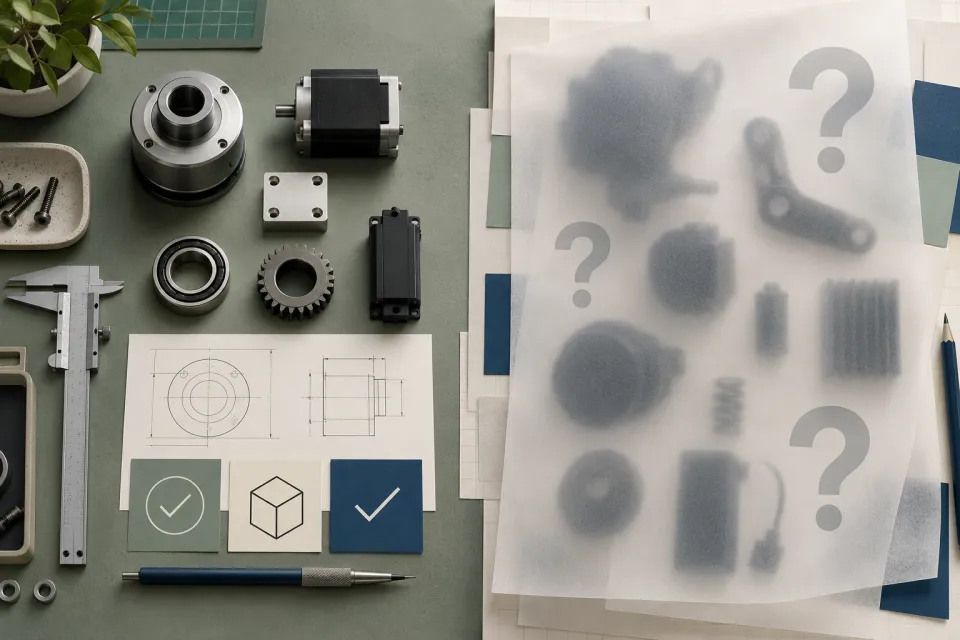
Keep three labels separate: confirmed public fact, manufacturer-described direction, and not publicly stated. This prevents a product vision, illustration, example API, or observed demo from being converted into a precise hardware promise.
Confirmed public facts about KOKO
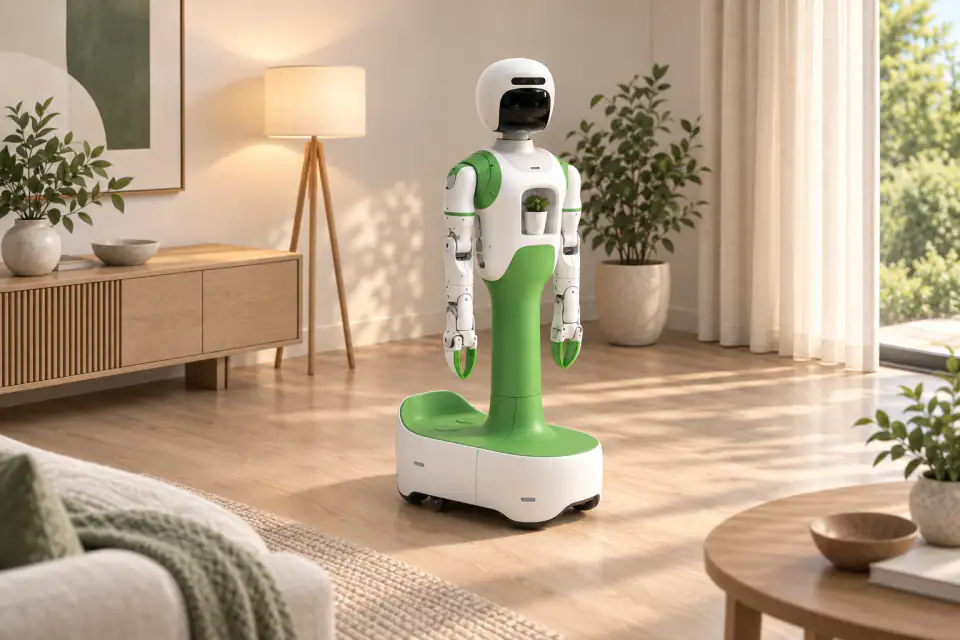
Homebot One identifies itself as the company building KOKO in Fremont, California and calls KOKO a physical home robot focused on presence, movement, and useful interaction in real living spaces. It presents four contexts: KOKO Home, Care, Research, and Developer.
The company states that KOKO is moving through in-home testing and engineering validation, with focus areas that include safe movement, readable interaction, and useful everyday presence. It also says KOKO was previously introduced as MyMemo One during an earlier development chapter.
- Company: Homebot One, Inc.
- Robot name: KOKO
- Development location stated by the company: Fremont, California
- Status: in-home testing and engineering validation
- Public contexts: Home, Care, Research, and Developer
Manufacturer-described product and platform direction
The KOKO Home page describes real-time spatial memory, everyday task assistance through small physical actions, context-aware actions, connected-home coordination, family routines, and adaptation over time. It also states that child interaction is enabled only when an adult is present. These are official descriptions, but the page does not provide test protocols or universal operating limits for each area.
KOKO Developer describes planned layers connecting applications with perception, memory, motion, interaction, robot hardware, and home devices. It explicitly says the platform and interfaces are in active development and labels its example syntax and platform preview as illustrative.
Specifications not publicly stated on the reviewed pages
The reviewed official pages do not publish a complete set of dimensions, weight, payload, reach, degrees of freedom, speed, slope or threshold limits, runtime, battery capacity or chemistry, charging time, noise level, ingress protection, operating temperature, sensor list, processor, storage, wireless protocols, enclosure materials, or repairability metrics.
They also do not publish a retail price, public order date, delivery schedule, warranty, universal maintenance interval, or named UL or ISO certification for KOKO. Absence from these pages does not prove a value is zero or that testing has not occurred; it means the value should not be invented or placed in structured data.
- Physical: height, width, depth, weight, center of gravity, reach, and payload.
- Mobility: speed, turning space, surfaces, thresholds, slopes, stopping, and fall behavior.
- Power: battery chemistry and capacity, runtime, charge time, charger, and outage behavior.
- Compute and sensing: cameras, microphones, other sensors, processors, storage, and connectivity.
- Compliance and ownership: materials, ratings, certifications, warranty, service, price, and release.
Request a versioned specification for the intended use
Ask Homebot One for the hardware and software revision, intended environment, supported task, operating limits, accessories, supervision requirements, emergency controls, data flows, maintenance, and applicable test or certification records. A research or developer build may differ from a household demonstration, so name the program you are evaluating.
Treat the response as a dated configuration rather than a permanent universal sheet. Verify important claims in a relevant demo and obtain written terms before purchase, pilot, study, or deployment. If Homebot One publishes new specifications, update the modified date while keeping the original publication record.
Frequently asked questions
What are KOKO’s published dimensions and weight?
The official pages reviewed on September 30, 2026 do not publish KOKO’s dimensions or weight. Request a versioned specification from Homebot One.
What is KOKO’s battery life and payload?
The reviewed public pages do not state battery runtime, battery capacity, or payload. Do not infer them from a video or image.
Is KOKO UL or ISO certified?
The reviewed official pages do not name a UL or ISO certification for KOKO. Ask Homebot One for current records applicable to the exact build and market.
Which KOKO details are publicly confirmed?
Homebot One publicly confirms the KOKO name, company, Fremont development location, physical home-robot focus, Home/Care/Research/Developer contexts, and in-home testing and engineering validation status.
Sources & further reading
- Homebot One: Official KOKO overview, lineup, and testing status (opens in a new tab)
- KOKO Home: Official product vision and waitlist (opens in a new tab)
- KOKO Developer: Official active-development platform page (opens in a new tab)
- UL Solutions: Consumer and commercial robot evaluation areas (opens in a new tab)
From Homebot One, the team building KOKO in Fremont, California.