Three settings, three different questions
Senior living communities often offer independent living, assisted living, and memory care under one roof. They serve different residents with different needs, so a KOKO pilot should not look the same in each.
Homebot One Inc says KOKO is testing with real families and senior communities, and runs a KOKO Care pilot for communities at care.homebotone.com. Before a pilot, decide which setting you are starting in and what you want to learn there.
Independent living: company and family connection
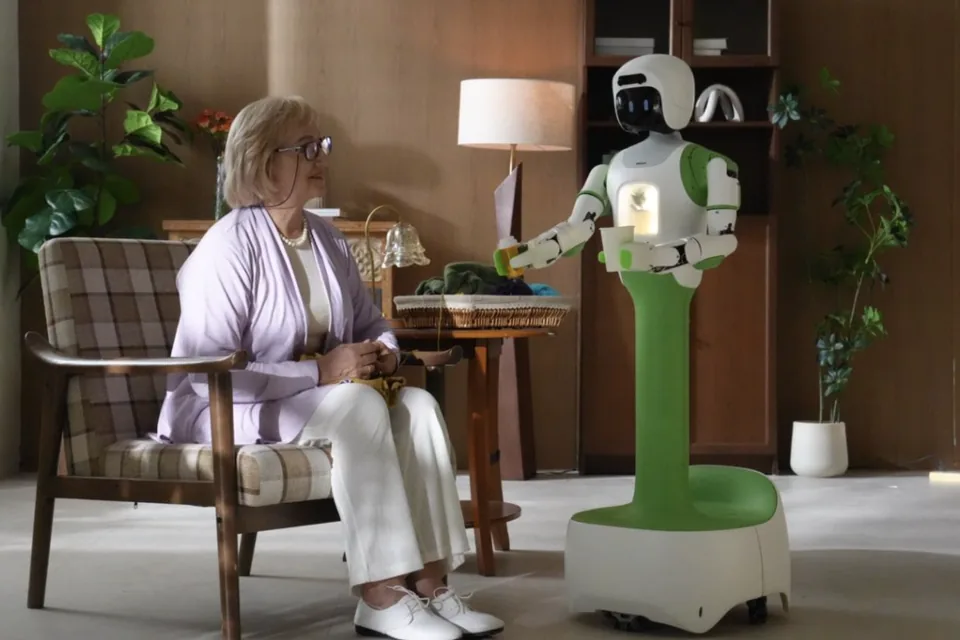
Residents in independent living manage their own days. Here KOKO’s role is closest to what it is designed to do in a family home: conversation, reminders, help finding familiar items, and an easier way to share a message or start a call with family.
Good questions for a pilot are about interest and fit. Which residents want to try it, which features they use, and whether family check-ins become easier for them and for staff at the front desk.
Assisted living: routines alongside staff
In assisted living, staff already help with daily routines. KOKO is designed to support the rhythm of the day with gentle reminders, for example for hydration and the day’s schedule, so a staff visit is not needed for every small prompt.
Be clear about the line. KOKO never lifts, holds, or transfers a person, it is not a medical device, and it does not replace professional care. Decide with your clinical and care leads which reminders are appropriate and which stay with staff.
Memory care: go slower and stay honest
Memory care needs the most care. Residents living with dementia may be confused by a talking robot, may not remember meeting it, or may not be able to give informed consent. Involve families or legal representatives, and follow your community’s policies on consent and photos.
Keep sessions short, small, and supervised, in a familiar room. Introduce KOKO as a robot, never as a person or a pet, and stop if a resident seems distressed. Homebot One Inc works with a clinical neuropsychologist advisor with experience in dementia and assessment; ask the team how that guidance shapes a memory care session.
Choose where to start
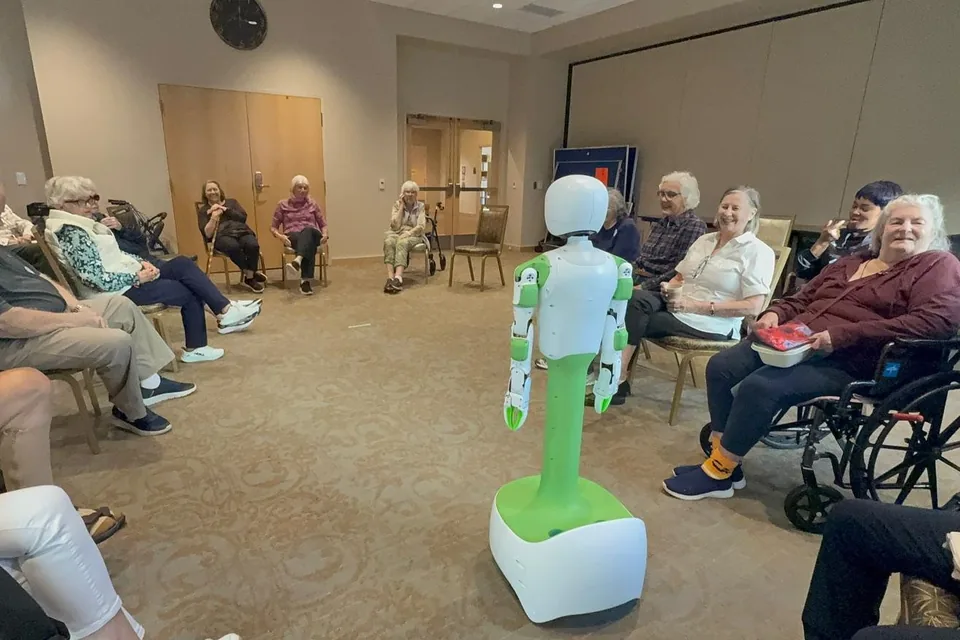
Many communities start with a group session in a shared activity room, where staff are present and residents can choose how close to get. From there, a pilot can move into independent living apartments where residents opt in.
Write down your goals for each setting before you begin, and bring them to the KOKO Care team. A pilot plan that names the setting, the residents, the staff lead, and what you will measure is far easier to evaluate afterward.
Frequently asked questions
Is KOKO suitable for memory care?
It needs extra care. Keep sessions short and supervised, involve families or representatives in consent, introduce KOKO honestly as a robot, and stop if a resident is distressed. Ask the KOKO Care team how they approach memory care settings.
Can KOKO replace staff tasks in assisted living?
No. KOKO is designed to help with small reminders and routines. It never lifts, holds, or transfers a person and does not replace professional care.
Where should a community start?
Many start with a supervised group session in an activity room, then move to residents who opt in, for example in independent living.
Sources & further reading
From Homebot One Inc, the team building KOKO in Fremont, California.