Start with goals you can observe
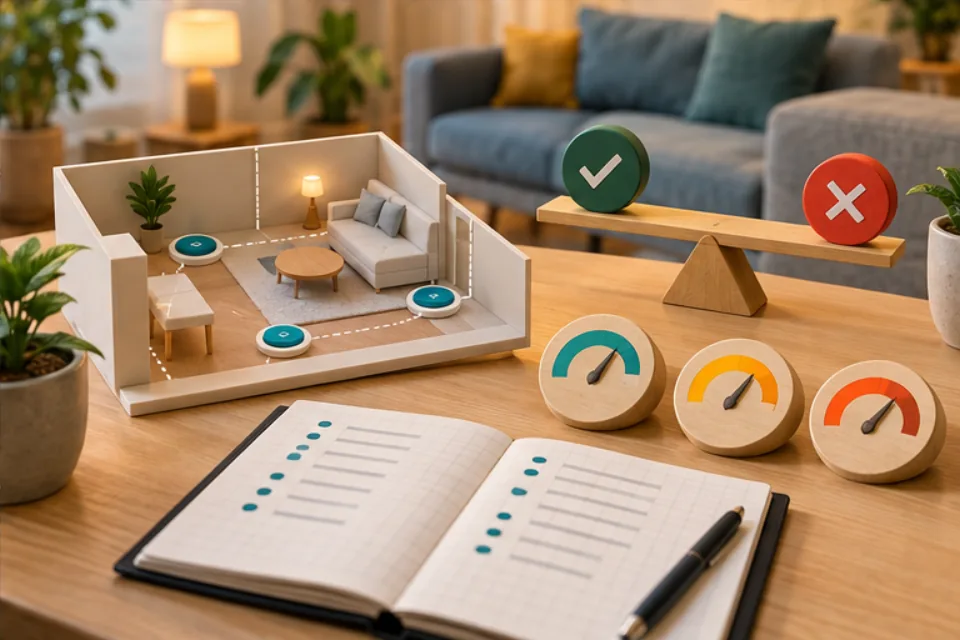
A pilot is easier to judge when it starts with a short list of goals. For KOKO in a senior living community, useful goals are things staff can see: residents joining a group session, residents asking for KOKO again, families finding check-ins easier, or fewer small interruptions for staff.
Pick two or three goals, not ten. Write each one down with how you will notice it, for example attendance at sessions or a short weekly note from the activity lead.
Name a staff champion and a small group
Choose one staff champion, often the activity director or a wellness lead, who owns the pilot day to day and is the main contact for the Homebot One Inc team.
Start with a small group of residents who want to take part, plus their families where appropriate. A small, willing group gives clearer feedback than a large group that was not asked.
- One staff champion
- A small group of residents who opt in
- A clear contact at Homebot One Inc
Settle consent, privacy, and photos first
Before the first session, agree with the Homebot One Inc team on what KOKO sees, hears, and stores during the pilot, who can access it, and how to delete it. Residents should know KOKO’s camera can be covered with its privacy cover.
Collect consent according to your policies, including from representatives where required, and ask separately for permission to take or share photos. Residents who decline can still take part out of frame.
Run a simple session schedule
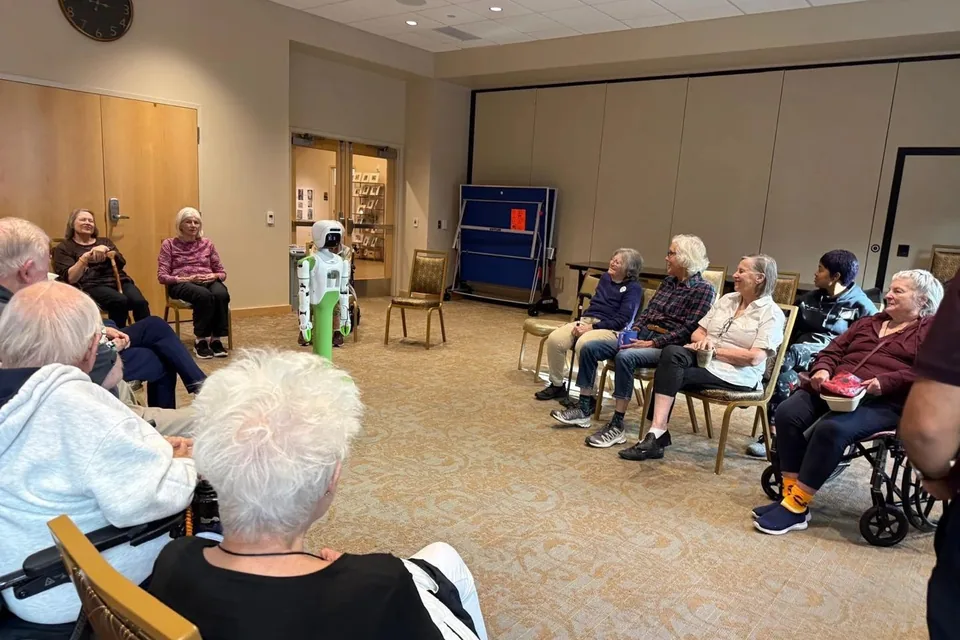
A steady rhythm works better than one big event. For example, run a group session in the activity room once or twice a week, at the same time, with the same staff lead, and keep each session short enough that residents leave wanting more.
Prepare the room each time: clear floor in the middle, no cables, wheelchair spaces with a clear view. Remind everyone of KOKO’s limits: it slows and stops near people, has an emergency stop button, and never lifts, holds, or transfers a person.
Measure, review, and decide
Keep a one-page log for each session: who attended, what residents asked, what worked, and anything uncomfortable. Ask residents and families a few plain questions at the midpoint and at the end.
Close with a review meeting with your staff champion and the KOKO Care team. Compare what happened with the goals you wrote down, and decide whether to stop, extend, or expand, for example to residents in independent living who want KOKO in their apartment.
Frequently asked questions
How long should a KOKO Care pilot run?
Long enough to see a pattern, with a regular schedule of sessions and a midpoint check-in. Agree on the length with the KOKO Care team when you plan your goals.
Who should lead the pilot inside the community?
One staff champion, often the activity director or a wellness lead, who runs sessions and is the main contact for Homebot One Inc.
What should we measure?
Two or three observable goals, such as session attendance, residents asking for KOKO again, and feedback from residents, families, and staff.
Sources & further reading
From Homebot One Inc, the team building KOKO in Fremont, California.