The difference starts with physical presence
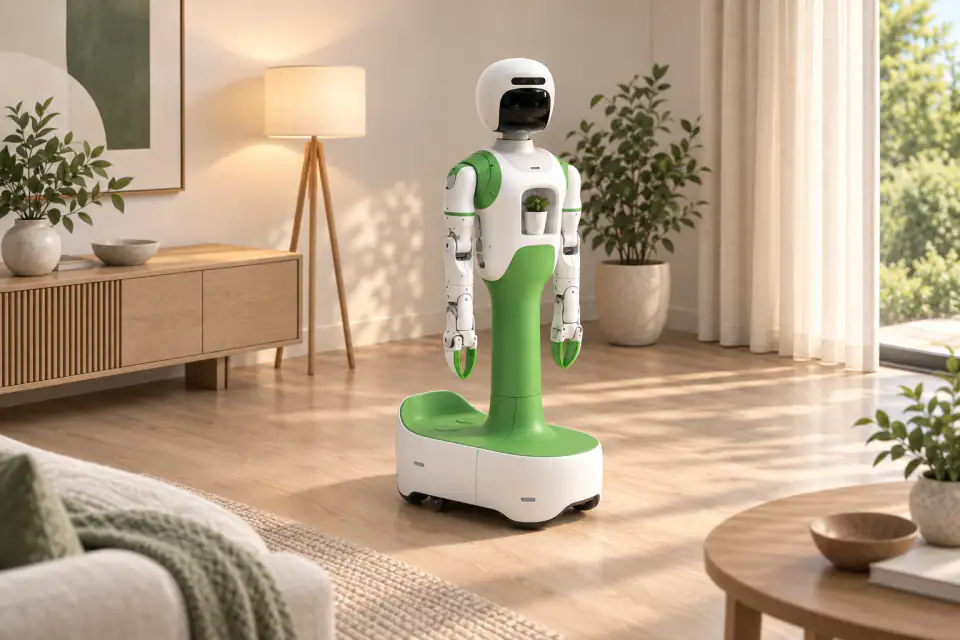
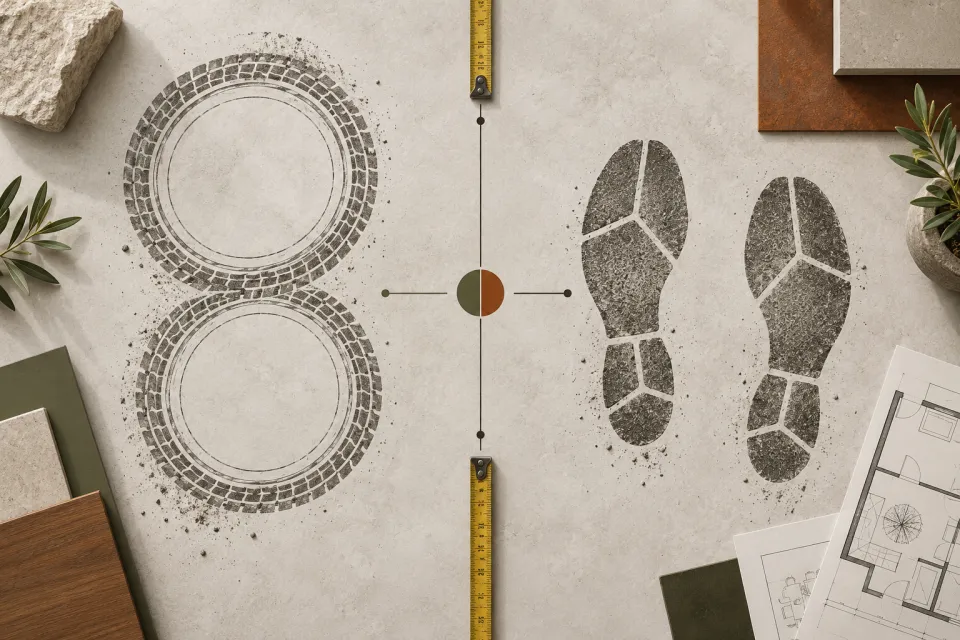
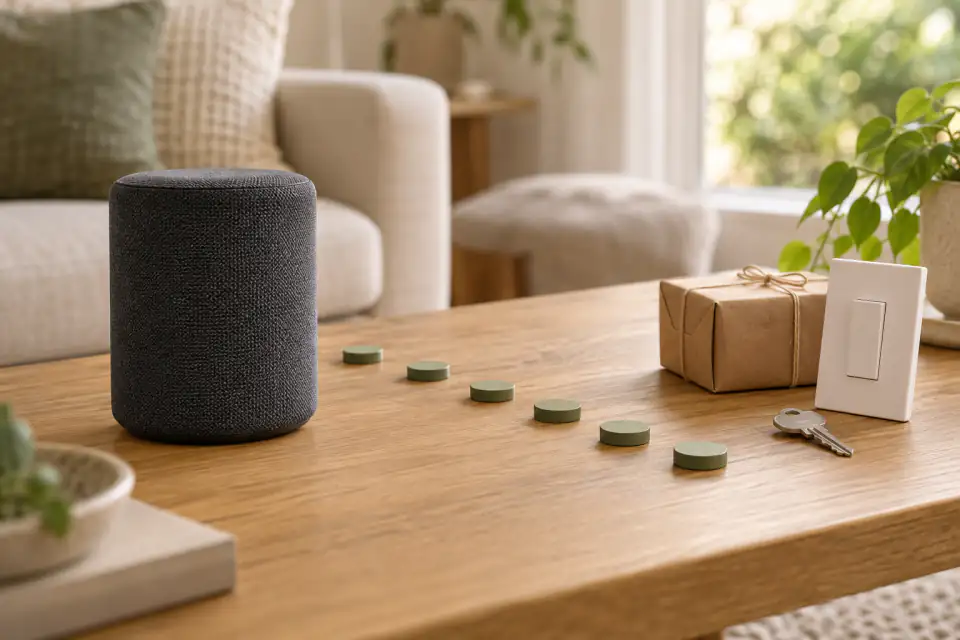
A smart speaker is usually placed in one location and provides a voice interface to information, media, and compatible services. A home robot adds an embodied system that may move through space, orient toward people, gesture, or interact physically, depending on its design. That physical presence changes both the possibilities and the questions you need to ask.
Do not assume that a robot automatically includes every function associated with a smart speaker, or that a speaker can perform a robot’s physical tasks. Begin with the experience you want. If the goal is hands-free audio in one room, a stationary device may be enough. If the goal depends on movement, viewpoint, or physical interaction, an embodied platform may be relevant.
Compare the interaction, not the vocabulary
Both products may respond to spoken requests, but the surrounding interaction can differ. Ask how each system indicates that it heard you, what it does when a request is ambiguous, whether it can be interrupted, and how it confirms an action. With a mobile robot, also ask how it signals where it intends to go and how people can pause movement.
Try the same request from different positions and with ordinary background noise. Include household members who speak at different volumes or use different phrasing. The useful question is not simply whether voice is supported; it is whether the interaction is understandable and recoverable for the people who will use it.
Movement brings opportunity and responsibility
A speaker occupies a known spot. A moving robot has to perceive a changing room and share space with furniture, people, pets, cords, thresholds, and unexpected objects. During a robot demo, observe speed, stopping behavior, route changes, and recovery when the intended path is blocked. Ask which surfaces and layouts have been tested.
Physical capability should be evaluated task by task. A robot that navigates effectively has not thereby demonstrated manipulation, item retrieval, or independent household work. Ask for the exact activity you care about and note any staging, supervision, or human assistance. Homebot One describes KOKO’s current work as in-home testing and engineering validation, with attention to movement and readable interaction.
Review privacy and connected services
Either category may use microphones, accounts, cloud processing, applications, or connections to other devices. A robot may also use cameras, maps, or additional sensors. Ask what data is collected, where processing occurs, who can access recordings or derived information, how history is deleted, and which functions require an internet connection.
NIST’s consumer IoT guidance highlights areas such as data protection, logical access, secure software updates, documentation, and manufacturer communication. Use those areas as a question set rather than as a claim that two products have the same risk. The product’s sensors, services, settings, and household role determine the relevant privacy review.
Count setup, support, and continuity
A stationary speaker may need an account, power, network setup, and compatible services. A home robot may add mapping, charging-space decisions, household onboarding, physical maintenance, and a larger repair process. Ask who provides support, how updates arrive, what happens during an outage, and which useful functions remain if a service is unavailable.
Compare total cost over the same period. Include required subscriptions, compatible devices, accessories, repairs, and the time needed to manage the system. A robot can deliver more physical capability, but only the capability relevant to your goal should count toward its value.
They may belong in the same home
This does not have to be an either-or decision. A household may prefer stationary voice access in some rooms and explore a robot for an embodied experience elsewhere. If integration matters, ask the manufacturers which specific devices, protocols, and actions work in the current version. Do not infer compatibility from a general phrase such as “connected home.”
For KOKO, request a demo built around your existing setup and one desired interaction. Label the result honestly: current, limited, assisted, or planned. That gives you a clearer answer than comparing two categories in the abstract—and it prevents a familiar voice command from being mistaken for evidence of a complete household workflow.
Frequently asked questions
Is a home robot a replacement for a smart speaker?
It depends on the functions you use. Compare the current voice, media, service, movement, and integration capabilities of the exact products rather than assuming one category contains the other.
Does KOKO work with my smart speaker?
The public pages reviewed here do not establish compatibility with a named smart-speaker platform. Ask Homebot One to demonstrate the exact integration you need in the current build.
Which is easier to set up?
Setup depends on the product and intended use. A mobile embodied system can add considerations such as charging location, room layout, movement testing, and household onboarding.
Sources & further reading
From Homebot One, the team building KOKO in Fremont, California.