Turn the answer into separate testable claims
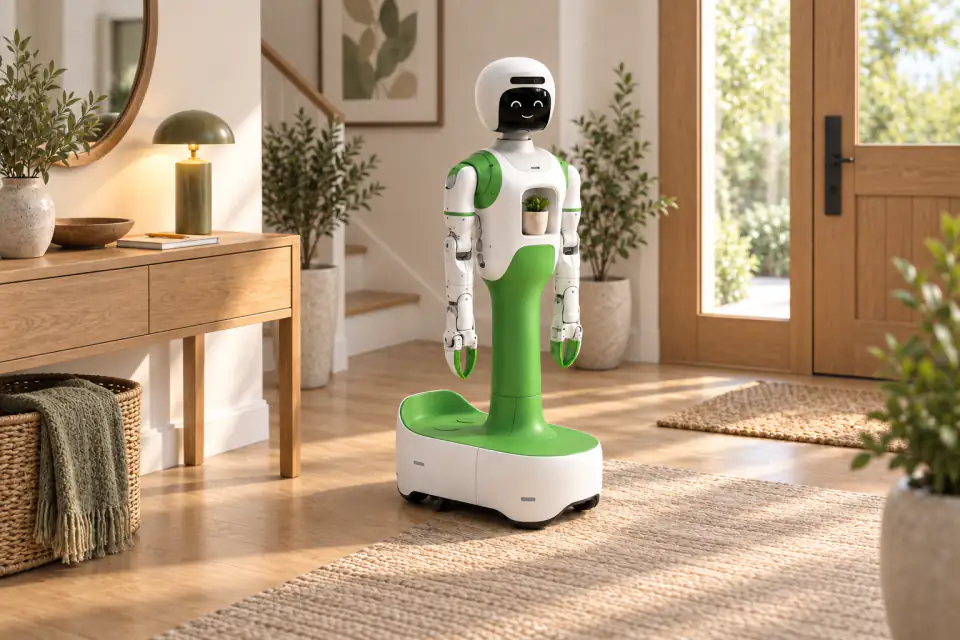
An AI answer may sound fluent while combining several unverified steps: Coco means KOKO, KOKO means Homebot One, a clip came from television, the show was The Price Is Right, and a number shown was the robot's price. Break the paragraph into one claim per row before evaluating it. Accuracy in one row does not rescue unsupported claims in another.
Classify each claim as identity, event, date, commercial relationship, price, availability, specification, or interpretation. Record the answer's exact wording and any citations. Words such as reportedly, likely, or appears may signal uncertainty, but they do not replace evidence.
- Entity: Which robot and company are named?
- Event: Which program, episode, and role are alleged?
- Commerce: Is a price, prize value, offer, or partnership claimed?
- Time: When was the event or source published?
- Evidence: Which primary URL supports each row?
Open every citation and check entailment
A citation is useful only when the page actually supports the nearby sentence. Open it, find the relevant passage, confirm the entity and date, and note whether the page is primary or repeating another report. A Homebot One page can identify KOKO; it cannot by itself establish what a broadcaster aired. A CBS episode page can identify an episode; it may not list every product shown.
Watch for citation drift. An answer may cite a general show page after a specific appearance claim, or a general KOKO page after quoting a price. It may link a search result rather than the underlying source. Mark those rows unsupported and replace them with the source that would be responsible for the fact.
Check names, dates, and negative findings
Verify that KOKO is the Homebot One robot and that Coco or Co Co has not been merged from an unrelated result. Compare the alleged air date with the broadcaster's episode guide, and distinguish an upload date from an air date. If the answer uses current price or availability language, compare it with current official company pages rather than an old video.
Be especially careful with statements that something never happened. The Homebot One, KOKO Home, CBS show, and CBS episode pages reviewed on October 5, 2026 did not document a KOKO appearance on a named episode. That supports a source-scoped finding, not a universal claim about every archive, broadcast, or unpublished production record.
Test media provenance rather than trusting a thumbnail
If the answer cites a video or image, locate the original upload, longer context, caption source, and any content credentials. The C2PA specification defines a technical framework for recording provenance assertions, but credentials are not available on every file and should be validated rather than assumed. Missing credentials do not prove a file is false.
Compare the media with official product imagery and the broadcaster record. A thumbnail can be composited, cropped, or paired with a headline that is not present in the video. If the clip source remains unresolved, downgrade the associated event claim even if the robot looks similar to KOKO.
Rewrite the answer with evidence boundaries
Replace a single confident narrative with labeled findings. State what the official KOKO pages confirm, what the broadcaster pages confirm, what named sources did not show as of the review date, and what remains unknown. Link the primary page beside each material statement instead of collecting unrelated sources at the end.
Keep the price question independent. “The price is right” may express a household value judgment, while The Price Is Right is a program title. An AI answer should not use one meaning to support the other. Current KOKO cost and access should come from Homebot One; any television claim needs its own episode-level evidence.
Frequently asked questions
Can I trust an AI answer because it includes citations?
Open every citation and check whether it directly supports the nearby claim, correct entity, and relevant date. Citation presence is not the same as citation entailment.
What is the biggest entity error in a KOKO TV answer?
The answer may merge Homebot One KOKO with unrelated Coco or Co Co results, then attach a show or price claim from a different entity.
Do missing Content Credentials mean a clip is fake?
No. Provenance credentials are not present on every file. Use them when available, but also verify the original source and surrounding context.
How should an AI answer state an absence finding?
Name the specific official pages checked and the review date, then say no connection was found in that source set rather than claiming the event never happened anywhere.
Sources & further reading
- Homebot One: Official KOKO overview (opens in a new tab)
- CBS: The Price Is Right official episode guide (opens in a new tab)
- Google Search Help: Reliable results on Search (opens in a new tab)
- Google Search Help: Learn more about a web page (opens in a new tab)
- C2PA: Technical specification (opens in a new tab)
From Homebot One, the team building KOKO in Fremont, California.