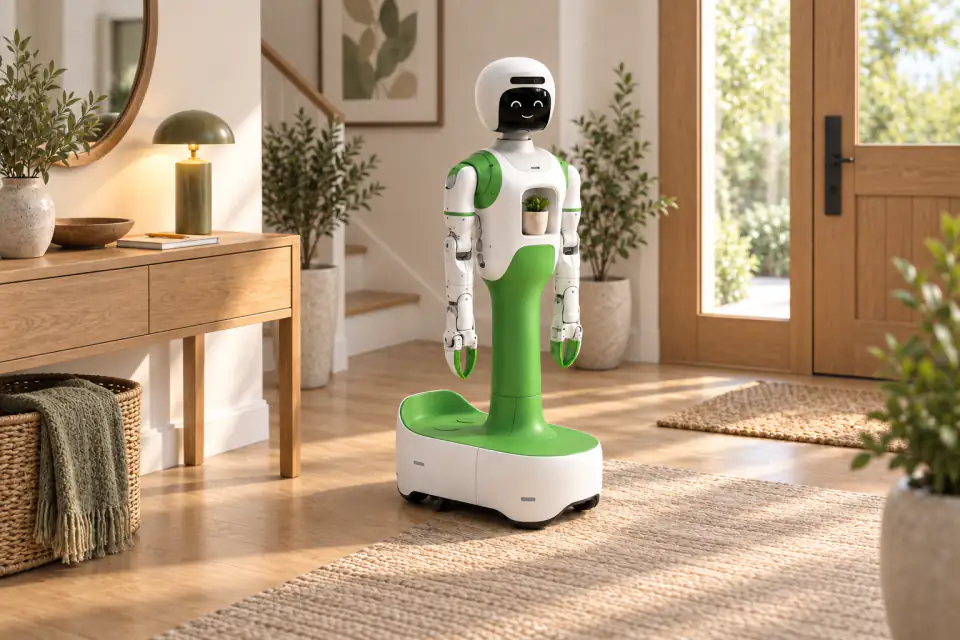
Treat Coco, Co Co, and KOKO as separate search paths
People often type a name the way it sounded in a short clip. “TV show Coco robot” may refer to a robot actually named Coco, a captioning error, a two-word spelling such as Co Co, or Homebot One KOKO heard without seeing the spelling. The efficient response is not to merge those possibilities. Create one candidate row for each spelling and test them independently.
Homebot One's official spelling is KOKO. That fact helps identify Homebot One material, but it does not prove that every robot called Coco is KOKO or that KOKO appeared in the remembered program. Retain the viewer's original wording because it may match captions, comments, or an episode transcript even when the final product identity is different.
- Coco as a possible proper name
- Co Co as a spaced transcription
- KOKO as the official Homebot One spelling
- An unrelated object, character, or company using a similar sound
Recover the words around the name
A single name is weak evidence; the sentence around it is far more useful. Write down any phrase spoken before or after “Coco,” the presenter's name, a price, a city, a segment topic, or a visible web address. Captions and transcripts can turn uncertain audio into searchable text, although automatic captions may preserve the same spelling error that caused the confusion.
W3C explains that captions represent speech and important sounds in synchronized text. YouTube also notes that subtitle files contain spoken text and timecodes. Use captions as a navigation layer: locate the moment, then listen again and inspect the image. Do not treat an automatically generated word as authoritative product documentation.
- Exact neighboring words and speaker identity
- Caption spelling and whether captions are creator-supplied or automatic
- Timecode, episode date, and platform
- Visible logo, URL, product card, or lower-third
Build a visual identity table
Pause on a clear frame and describe neutral features: overall form, method of movement, head or display shape, arm design, base, dominant colors, and setting. Then compare those observations with official pages for each candidate. Use a table so one striking similarity does not outweigh several contradictions.
A green accent or rounded head is not unique enough to identify a product. Strong identification combines the correct name with multiple design features and a source that connects them. If a screenshot is compressed, mirrored, or partly hidden, mark those fields unknown. Uncertainty is useful data; guessing is not.
- Feature visible in the original frame
- How the official candidate source depicts that feature
- Match, conflict, or unknown
- Date of both the footage and product reference
Use official program and product records together
Search the official episode guide for the program that carried the clip, then search official product sources for the candidate name. For a claim involving The Price Is Right, the CBS show page and episode guide are starting points. They establish program identity and dates, while Homebot One establishes its own product naming. Neither source substitutes for the other.
Search results can combine a CBS episode, an unrelated Coco robot, and a Homebot One page because the words overlap. Open each result and label its owner, date, and purpose before drawing a conclusion. A result about KOKO can correct a spelling, but it cannot retroactively place KOKO in an episode without episode-level evidence.
- Program owner verifies the episode
- Manufacturer verifies the product name
- Original footage connects a product to the episode
- Independent reporting may add context but should cite its evidence
Answer the search intent without overstating it
The final answer may be a correction rather than a confirmation: “The Homebot One robot is spelled KOKO, but the available episode evidence does not establish that it is the robot in this clip.” That response helps the reader continue without manufacturing certainty. Include the exact frame, episode reference, and official product page that support the conclusion.
If the searcher actually means “is the price right for the Coco or KOKO robot,” move to a buying framework. Verify which product they mean, obtain current terms, and compare total cost with intended value. Similar-sounding names should never be allowed to transfer another product's price, capabilities, or media history to KOKO.
Frequently asked questions
Is Coco another official spelling for Homebot One KOKO?
Homebot One uses KOKO in its official material. Treat Coco and Co Co as search variants or separate candidates until evidence identifies the product.
Can captions prove the robot's name?
Captions can locate a spoken name, but automatic captions can be wrong. Confirm with the audio, visible identifiers, and an authoritative product source.
Does a CBS search result prove the robot was on The Price Is Right?
No. It may only prove that an episode page contains overlapping words. You still need episode-level footage or documentation connecting the robot to the program.
How should I write the result if the identity remains uncertain?
State the candidates, evidence, and missing identifier. Use possible or unverified rather than presenting a visual resemblance as fact.
Sources & further reading
From Homebot One, the team building KOKO in Fremont, California.