Separate curiosity, value, and affordability
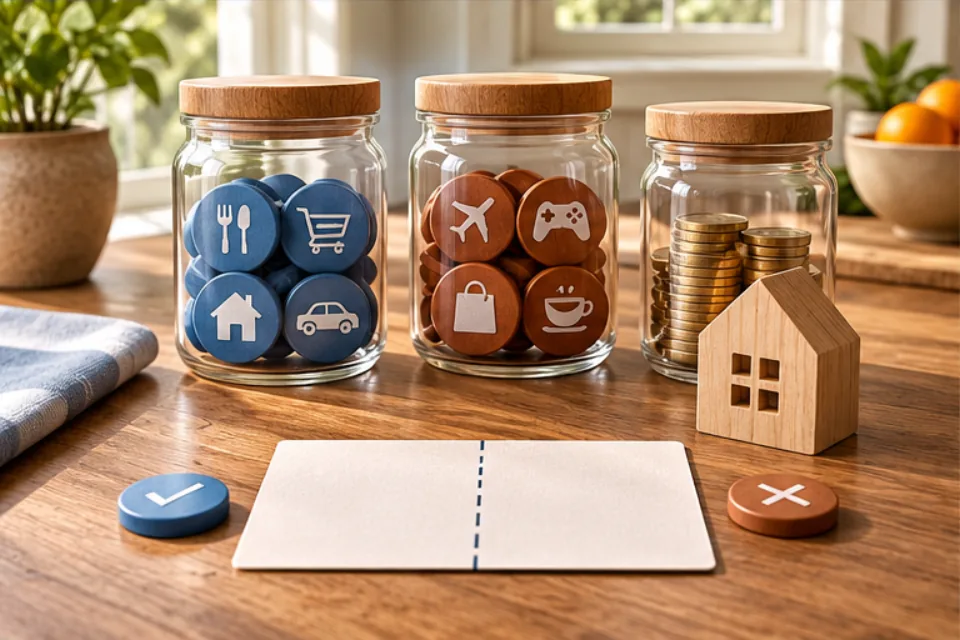
A product can be interesting without solving a priority problem, valuable without being affordable, or affordable without being the best use of household funds. Start by writing what the household hopes KOKO will improve and how that improvement would be observed. Then set a spending boundary that protects essential expenses, emergency savings, existing care, debt obligations, and other agreed goals. The exercise is a household decision framework, not individualized financial advice.
Use Homebot One's current written information for product identity and availability, and obtain a quote and terms before committing money. Do not treat an estimated number, search snippet, older article, waitlist, or demo invitation as a retail offer. Homebot One uses KOKO as the official spelling; Coco and Co Co are common searches, so verify that any price or listing belongs to the same product and seller.
Build a complete household cost envelope
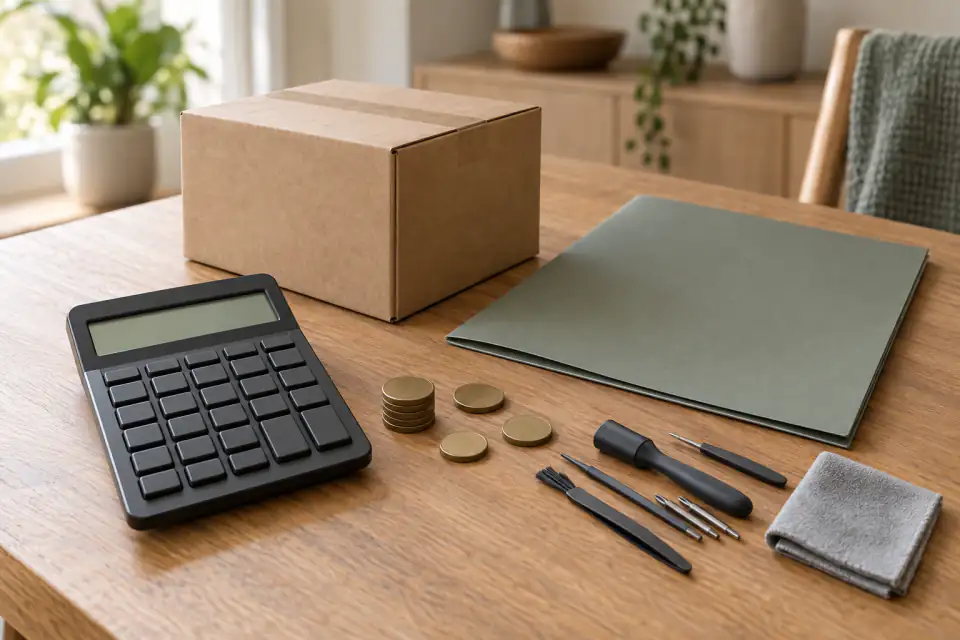
List every confirmed or estimated cost over a common period: purchase or access, deposit, delivery, setup, taxes, subscription, connectivity, accessories, training time, household labor, maintenance, repair, support, insurance review, energy, cancellation, return, and end-of-use handling. Separate one-time, monthly, annual, usage-based, and contingent amounts. Add the payment date and responsible person so an annual total does not conceal a difficult first month.
For every line, record the source and confidence: written quote, contract term, published policy, utility rate, household estimate, or unknown. Use ranges for uncertain inputs and leave an unpublished KOKO price blank rather than inventing one. Build first-year and steady-year views because setup can dominate the beginning while subscription or support may matter later. Confirm renewal, cancellation, refund, and fee-change terms before treating a recurring plan as predictable.
- First payment, setup period, and month-by-month cash timing
- Recurring commitments and their renewal or cancellation rules
- Human time, accommodation, maintenance, and support effort
- Return, restoration, replacement, and other exit costs
Compare realistic scenarios and alternatives
Create at least three cases: expected use with planning assumptions, a higher-cost or lower-use case, and a stop or return case if applicable terms allow one. Change the inputs that matter, such as human supervision, subscription duration, repair, delayed availability, or fewer useful routines. Do not create a favorable low case by excluding costs that every option needs. Show which assumptions can be verified before a decision and which remain true uncertainty.
Compare KOKO with the current routine and practical alternatives using the same time horizon and outcome standard. Alternatives may include another device, a service, a home modification, shared human help, or waiting. Account for the opportunity cost: what goal is delayed if the household allocates money and time here? The comparison should respect non-financial benefits while keeping essential support and safety outside a simple cost-saving calculation.
Set household decision rules before the sales conversation
Agree on a maximum first payment, maximum recurring commitment, minimum demonstrated benefit, acceptable support effort, and conditions that trigger a pause. Decide whether one household member can authorize a deposit or whether everyone affected must agree. Discuss privacy, shared spaces, accessibility, pets, children, guests, and who will operate or troubleshoot the system. A financial yes from one person should not override another person's consent in the home.
Write questions before a demonstration or quote call and avoid making the decision under artificial urgency. Ask for the full offer, included configuration, delivery assumptions, support, recurring fees, cancellation, refund, warranty, data terms, and expiry date in writing. Consumer guidance about comparison shopping and auto-renewal can help review the transaction, but the specific KOKO terms must come from the current offer. Save the version you considered.
Record a decision that can change
Use one of five outcomes: proceed, proceed with conditions, run a bounded pilot, wait for specified information, or decline. State the reason in one paragraph, list the assumptions that mattered, and name a review date. If proceeding, keep a reserve for expected ownership costs and preserve an exit path. If waiting, identify the exact evidence needed instead of reopening the same discussion after every advertisement or search result.
Phrases such as 'the price is right Homebot One,' 'the price is right robot KOKO,' or 'the price is right Coco' should be understood as value questions, not evidence of a television connection or a known price. The household's answer is right only for its priorities, verified benefits, complete cost, risk tolerance, and current terms. Recalculate after a new quote, changed configuration, updated need, or meaningful pilot result.
- Decision, reasons, conditions, and people who agreed
- Confirmed terms separated from estimates and unknowns
- Protected household spending boundary and contingency reserve
- Review date and the evidence that would change the outcome
Frequently asked questions
How much should a household budget for KOKO?
Use a current written quote and the household's complete setup and ownership estimate. This guide does not supply an unpublished KOKO price. Protect essential expenses and set a limit before entering a sales conversation.
Should I count household time as a cost?
Yes. Record setup, supervision, charging, troubleshooting, maintenance, and recovery time. Even unpaid effort affects whether the system provides net value and remains sustainable.
Does joining a KOKO waitlist create a purchase commitment?
Do not infer a purchase agreement from a waitlist alone. Read the current terms for the exact action and confirm any deposit, renewal, cancellation, or data conditions before submitting.
Is 'the price is right KOKO' about the TV program?
In this guide, the phrase means deciding whether verified household value justifies the complete confirmed cost. It does not claim that KOKO appeared on or is affiliated with the television program.
Sources & further reading
From Homebot One, the team building KOKO in Fremont, California.